
825-965-6346
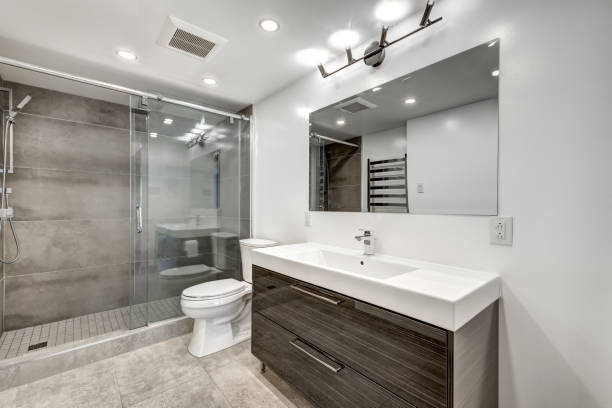
Planning a bathroom renovation can be an exciting way to improve the comfort, functionality, and appearance of your home. However, before choosing new tiles, fixtures, or cabinetry, it is important to understand what can influence the overall bathroom renovation cost.
Every renovation is different. The final investment depends on the size of the bathroom, the condition of the existing space, the materials selected, the amount of construction required, and whether you plan to keep the current layout. Understanding these factors can help you create a realistic budget and make better decisions throughout the renovation process.
Whether you are updating a powder room, refreshing a main bathroom, or completely transforming an ensuite, careful planning can help you achieve the result you want without unnecessary expenses.
A bathroom renovation can range from a simple cosmetic update to a complete transformation of the space. The scope of work will depend on your goals and the current condition of the bathroom.
A full renovation may include removing existing fixtures and finishes, preparing the walls and floors, updating plumbing and electrical systems, installing waterproofing, fitting new flooring and wall tiles, replacing the vanity, installing a new shower or bathtub, adding lighting and ventilation, painting, and completing the final finishing work.
Before construction starts, it is important to establish exactly what will be included. A clear scope helps homeowners understand their budget and makes it easier to compare renovation proposals.
For additional planning ideas, homeowners can also review this bathroom planning guide before finalising their project.
The type of bathroom you are renovating can have a significant impact on the overall project. Different bathrooms have different layouts, fixtures, plumbing requirements, and design considerations.
Powder Room
A powder room is generally smaller and does not include a bathtub or shower. Because of this, the renovation may focus primarily on the vanity, sink, toilet, flooring, lighting, paint, and decorative details.
Although the space is small, a powder room can still have a strong visual impact. Statement tiles, attractive lighting, custom cabinetry, and quality fixtures can turn a compact room into an appealing feature of your home.
Main Bathroom
The main bathroom often serves several household members, so functionality is particularly important. A renovation may involve replacing the vanity, toilet, bathtub, shower, flooring, lighting, and storage.
The design should consider how the space is used every day. Adequate storage, practical lighting, durable surfaces, and an efficient layout can make the bathroom easier to maintain and more comfortable to use.
Ensuite Bathroom
An ensuite can provide more opportunities for customisation. Homeowners may choose features such as a walk-in shower, double vanity, built-in storage, upgraded fixtures, heated flooring, or specialised lighting.
Because ensuites are often designed around individual preferences, the choice of materials and level of customisation can have a noticeable effect on the project budget.
Basement Bathroom
Basement bathrooms can require additional planning, particularly when plumbing infrastructure needs to be created or modified. The location of drainage, water lines, ventilation, and existing mechanical systems can all influence the renovation.
For homeowners planning a broader basement renovation, an average basement renovation is around $50,000, although the total investment will depend on the overall basement project and the work included.
When adding or renovating a basement bathroom, it is important to consider the bathroom as part of the wider basement design rather than treating it as an isolated project.
There is no universal renovation price because several factors influence the final investment. Understanding these factors can help you decide where to spend your budget and where you may be able to simplify the project.
The size of the room affects the amount of flooring, tile, cabinetry, paint, and other materials required. Larger bathrooms may also provide more space for additional features.
However, a smaller bathroom is not automatically inexpensive to renovate. Plumbing, electrical work, demolition, waterproofing, and installation still require skilled work regardless of the room’s size.
The condition of your current bathroom can have a major impact on the renovation.
Once existing flooring, walls, or fixtures are removed, hidden issues may become visible. Water damage, deteriorated materials, outdated plumbing, or damaged subfloors may require additional work before new finishes can be installed.
A proper assessment before renovation begins can help identify potential concerns early.
Keeping the existing bathroom layout can make the renovation process more straightforward. Moving a toilet, shower, bathtub, or sink may require changes to plumbing and drainage systems.
However, changing the layout can be worthwhile if the current arrangement does not use the available space effectively. A better layout can improve movement, storage, accessibility, and everyday functionality.
The materials you choose can significantly influence the project budget. Bathroom products are available in a wide range of styles, qualities, and finishes.
Tiles, countertops, vanities, shower systems, faucets, toilets, mirrors, hardware, and lighting can all be selected according to your priorities.
Instead of choosing every product based on appearance alone, consider durability, maintenance, functionality, and how well each material fits the overall design.
Custom features can make a bathroom feel more personal and practical. Built-in storage, custom vanities, shower niches, detailed tile patterns, specialised lighting, heated flooring, and custom glass can all add character to the space.
However, custom work usually requires additional planning, materials, and installation time. Decide which features are most important before finalising your renovation plan.
Plumbing and electrical systems are essential parts of a bathroom renovation. If you are changing the layout or adding new fixtures, the existing systems may need to be modified.
Electrical work may include lighting, switches, outlets, exhaust fans, and other bathroom features. Plumbing work can involve water supply lines, drainage, shower systems, sinks, toilets, and bathtubs.
These systems should be planned carefully because much of the work is completed behind walls or beneath finished surfaces.
Depending on the renovation, permits or inspections may be required. Requirements can vary according to the type and extent of construction work.
Your renovation contractor should be able to explain which requirements apply to your project and help ensure the work is planned accordingly.
Managing your budget does not necessarily mean choosing the cheapest materials or removing important features.
One practical approach is to prioritise the areas that have the greatest effect on functionality. If your existing layout works well, keeping plumbing fixtures in their current locations may simplify the project.
You can also choose where to use premium materials. For example, you may want to invest in a high-quality shower system, durable flooring, or custom storage while selecting simpler finishes for less noticeable areas.
Another effective strategy is to finalise your design before construction begins. Frequent changes during renovation can create additional labour, material, and scheduling requirements.
Some parts of a bathroom renovation deserve particular attention because they protect the long-term performance of the space.
Waterproofing is one of the most important examples. Bathrooms are constantly exposed to moisture, so walls, floors, showers, and other wet areas need appropriate protection.
Plumbing, electrical work, ventilation, structural preparation, and professional installation should also be completed correctly. Saving money by cutting corners in these areas can create larger problems later.
A bathroom may look beautiful when finished, but the quality of the work behind the visible surfaces is equally important.
Not every bathroom requires a complete renovation. If the layout is functional and the underlying systems are in good condition, targeted updates may provide the improvement you need.
Replacing a vanity can change the appearance of the room while improving storage. New lighting can make the space feel brighter and more comfortable. Updating faucets, mirrors, hardware, or selected tiles can also refresh an older bathroom.
A full renovation is more appropriate when the bathroom requires major changes to its layout, plumbing, electrical systems, waterproofing, flooring, or overall design.
Discussing your goals with a renovation contractor can help you determine whether a complete renovation or a more focused update makes sense.
The timeline depends on the scope of the project and the number of trades involved.
A straightforward bathroom update may be completed relatively quickly, while a complete renovation involving demolition, plumbing changes, electrical work, waterproofing, custom cabinetry, extensive tiling, and specialised finishes will require more time.
Material availability can also affect the schedule. Custom products may have longer lead times, so selections should be made before construction starts whenever possible.
A renovation contractor should provide a clear schedule and explain the major stages of the project.
Getting multiple renovation quotes can help you understand your options, but the lowest quote is not necessarily the best choice.
When comparing proposals, look beyond the final number. Review what is included in the scope of work, which materials are covered, who handles demolition and disposal, whether plumbing and electrical work are included, and how changes will be managed.
An itemised quote can make comparisons easier because you can see what you are actually paying for.
It is also worth asking contractors about their previous bathroom renovation experience, project management process, insurance, workmanship, references, and expected timeline.
For homeowners considering their contractor options, this contractor hiring guide can provide useful planning context.
A detailed quote with a clear scope can help reduce misunderstandings once construction begins.
Start by identifying what you want to achieve with the renovation. Think about whether your priority is improving functionality, updating the appearance, increasing storage, changing the layout, or creating a more luxurious space.
Next, separate essential improvements from optional features. This allows you to protect the most important parts of the project if you need to adjust the budget.
Choose your major materials and fixtures early, including flooring, tile, vanity, countertop, shower or bathtub, faucets, toilet, lighting, and hardware.
It is also wise to leave room in your overall budget for unexpected issues. Older bathrooms can contain problems that are difficult to identify until demolition begins.
With a clear scope and realistic expectations, you can make better decisions throughout the renovation.
Professional renovation support is especially valuable when a project involves multiple trades or significant changes to the existing bathroom.
Plumbing, electrical work, waterproofing, structural changes, tile installation, cabinetry, and fixture installation all need to be coordinated properly.
An experienced contractor can manage these stages and help ensure that the work progresses in the right order. This can make the renovation process easier for homeowners and reduce the risk of costly mistakes.
Before hiring a contractor, ask for a detailed proposal and confirm that the scope of work, materials, timeline, payment arrangements, and responsibilities are clearly explained.
A successful bathroom renovation requires more than attractive fixtures and finishes. The project needs thoughtful planning, practical design, quality materials, and careful workmanship from the preparation stage through to completion.
Odin Renovations helps homeowners transform bathrooms into spaces that are functional, comfortable, and suited to their homes. Whether you are planning a simple update or a complete bathroom transformation, the right renovation approach can help you make the most of your available space.
From layout considerations and material selection to construction and finishing, working with an experienced renovation team can give you greater confidence throughout the process.
Understanding the factors behind bathroom renovation cost can help you plan your project more effectively. The final investment depends on the size and condition of the bathroom, layout changes, materials, custom features, plumbing and electrical requirements, and the overall scope of work.
Rather than focusing only on the initial price, consider the long-term functionality, durability, and quality of the renovation. Prioritise essential work such as waterproofing, plumbing, electrical systems, and proper installation while choosing finishes that fit your style and budget.
With careful planning and the support of an experienced renovation contractor, you can create a bathroom that looks great, works well, and adds lasting value to your home.
If you are planning a bathroom renovation and want to discuss your project, you can contact the team to discuss your requirements.
The main factors include the size and condition of the bathroom, the materials selected, layout changes, plumbing and electrical requirements, custom features, labour, and the overall scope of the renovation.
Keeping the existing layout can make the project more straightforward because major plumbing and drainage changes may not be necessary. However, changing the layout can be worthwhile when the current design is inefficient or does not meet your needs.
An average basement renovation is around $50,000. The actual investment can vary depending on the size of the basement and the features included in the renovation, such as a bathroom, kitchen area, flooring, bedrooms, or living spaces.
Yes. A bathroom does not always need a complete renovation. Updating selected elements such as the vanity, lighting, fixtures, mirrors, hardware, or certain finishes can refresh the space when the existing layout and underlying systems are in good condition.
Prioritise proper waterproofing, plumbing, electrical work, ventilation, structural preparation, and quality installation. These elements affect the long-term performance and durability of your bathroom.
Odin Renovations is a home renovation company provide home owners in Morinville, St Albert, Edmonton and surrounding area with quality renovation services.