
825-965-6346
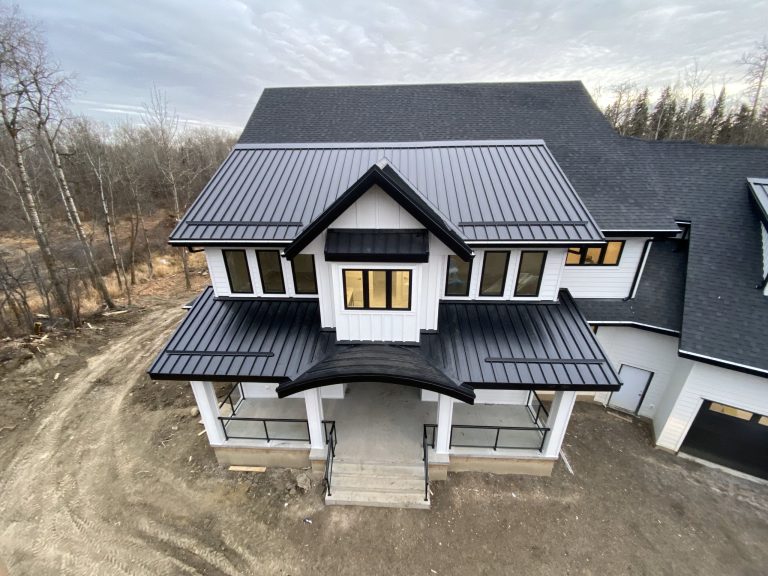
Hiring a contractor for home renovation can feel overwhelming, especially when you are comparing prices, timelines, and design ideas. However, the contractor you choose affects every step of the remodel, from planning and permits to workmanship and final finishes.
A renovation is a major investment. Whether you are remodeling a kitchen, finishing a basement, updating a bathroom, or tackling a whole-home remodel, the right team helps you avoid costly mistakes and stress.
Use the questions below to compare home renovation contractors with confidence before you sign a contract.
Home remodeling projects have many moving parts. Materials need to arrive on time, subcontractors must be coordinated, and permits may be required. Additionally, hidden issues can appear once walls or floors are opened.
An experienced general contractor keeps the job organized and moving forward. A poor choice can lead to delays, budget overruns, and quality problems that reduce your home’s value.
Therefore, take time to evaluate renovation professionals before you commit.
Before you hire a contractor, confirm they meet local requirements. Licensing shows they follow regulations, while insurance protects you if accidents or property damage happen.
Ask for proof of:
A reputable contractor will provide documents and answer questions clearly.
Not all renovation companies specialize in the same work. For example, a builder focused on new construction may not be the best fit for remodeling older homes.
Ask about recent projects like yours, such as:
Relevant experience usually means better planning and fewer surprises.
References help you understand how a contractor performs during real jobs. They also reveal communication habits, professionalism, and problem-solving skills.
When you call references, ask:
Additionally, look for consistent feedback across multiple clients.
A detailed written estimate makes contractor comparison much easier. Instead of focusing only on the total cost, review the exact scope of work.
Look for line items such as:
A clear estimate reduces confusion and helps prevent unexpected charges later.
Every remodeling project needs a realistic schedule. While surprises can happen, an experienced contractor should provide a timeline based on scope and availability.
Reviewing completed renovation projects in a contractor’s portfolio can also help you understand the scale, complexity, and type of work they regularly complete, giving you a better sense of what to expect for your own project.
Ask:
As a result, you can plan living arrangements and set expectations early.
Many homeowners assume the person who gives the quote will run the job. However, some companies use project managers or site supervisors.
Confirm:
Clear communication prevents misunderstandings and keeps the renovation on track.
Changes happen, even with strong planning. You may choose upgrades, or the crew may uncover hidden issues like old wiring or water damage.
Ask how change orders work, including:
A structured process protects both you and the contractor.
Many home renovation projects require permits and inspections for building code compliance. This often includes structural work, electrical updates, plumbing changes, or basement finishing.
Ask if the contractor will:
Skipping permits can create serious problems later, especially during resale or insurance claims.
Before hiring a contractor for home renovation, ask about warranty coverage for workmanship and materials. A strong warranty shows confidence and protects your investment.
Clarify:
Additionally, confirm warranty terms are included in the written contract.
Renovations can be disruptive, especially if you live in the home during the remodel. A professional contractor uses systems to keep the site safe and clean.
Ask about:
These steps reduce damage risk and improve your overall renovation experience.
It is natural to focus on cost, but the lowest bid is not always the best value. A very low quote may mean missing scope items, lower-quality materials, or poor project management.
Watch for warning signs like:
Instead, compare overall value, including experience, communication, and quality of past work.
A simple checklist helps you evaluate each bid using the same standards. This makes decisions easier and more objective.
Include items such as:
Additionally, keep notes after each meeting so you can compare contractors fairly.
Choosing the right contractor for home renovation is one of the most important decisions in your remodeling journey. When you ask detailed questions about licensing, experience, communication, estimates, permits, and warranties, you reduce risk and improve results.
If you are planning a remodel and want expert guidance, contact Odin Renovations to discuss your project. You will get clear answers, transparent planning, and quality craftsmanship designed to improve comfort and home value.
Verify licensing and insurance, review similar past work, and speak with recent references. Additionally, compare detailed estimates and communication plans before you decide.
A good estimate includes labor, materials, scope details, allowances, permit costs, cleanup, and a projected timeline. It should also explain how changes are priced.
Get at least three quotes from qualified remodeling contractors. This helps you compare pricing, scope, and service levels more accurately.
Insurance helps protect you from liability if injuries, accidents, or property damage occur during construction. Therefore, always request proof before work begins.
Red flags include no license or insurance, vague estimates, poor communication, pressure tactics, and refusing to provide references or a written contract.
Odin Renovations is a home renovation company provide home owners in Morinville, St Albert, Edmonton and surrounding area with quality renovation services.